
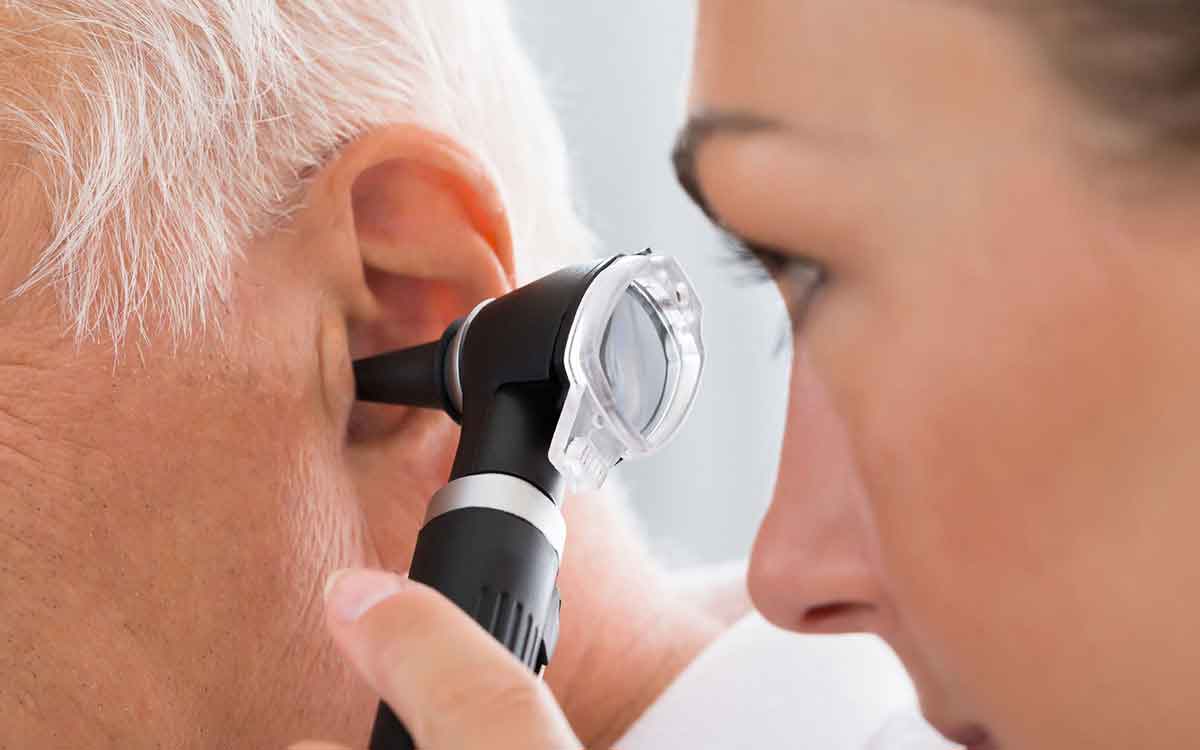
The subtle nature of hearing loss often causes preliminary symptoms to be dismissed. Numerous individuals compensate subconsciously by increasing media volume, requesting frequent repetitions, or withdrawing from high-noise settings.
Yet, the prompt identification of hearing loss signs is necessary for protecting your hearing.
Primary Signs of Developing Hearing Impairment
Should you encounter any of these early warnings, consider scheduling an audiological evaluation to establish a baseline.
- Difficulty understanding conversations, particularly in noisy environments with a lot of activity.
- Frequently asking people to repeat information.
- Muffled or blurred vocalizations, where words sound blended together.
- Setting increased decibel settings for media beyond the comfort of family members.
- Decreased perception of high-frequency acoustic signals such as bird songs or doorbells.
- The occurrence of tinnitus, manifesting as ringing or buzzing in the ears.
- Feeling mentally exhausted after conversations, resulting from increased efforts to hear better.
- Withdrawing from social events as conversations feel overwhelming.
Preliminary indicators of auditory decline may appear in either one or both ears and fluctuate in frequency initially. Since the auditory cortex adapts to changes, subconscious adjustments often remain hidden until clinical hearing loss is evident.
Statistical Overview of Global Auditory Health
Data from the World Health Organization indicates that a vast population will face the requirement for auditory rehabilitation by mid-century. Other significant statistics involve:
- By 2050, nearly 2.5 billion people are projected to experience various levels of hearing loss.
- Over 5% of the world’s population (430 million people) necessitates rehabilitation to address significant hearing loss.
- More than 1 billion younger individuals are at risk of permanent hearing loss caused by hazardous acoustic habits.
- Among those over the age of sixty, over 25% have clinically significant hearing loss.
Why Early Detection is Key
If left untreated, hearing loss may affect multiple dimensions of your health beyond simple communication.
Clinical evidence shows a documented link between untreated hearing loss and social challenges, such as isolation and depression.
Recognizing changes early on promotes more effective outcomes and varied management strategies.
A hearing evaluation can determine if shifts stem from presbycusis-driven hearing loss, acoustic trauma, earwax buildup, infection, or another medical condition.
Under certain conditions, hearing changes are temporary and reversible.
Alternatively, timely adoption of hearing devices or preventative measures may mitigate further decline.
Guidelines for Consulting an Audiologist
It is recommended to get a consultation with a hearing specialist if:
- Symptoms persist for more than a few weeks.
- Auditory trouble begins to influence professional tasks or personal routines.
- You experience acute auditory decline, dizziness, or chronic ear ringing (which requires immediate attention).
Assessments for hearing are comfortable and safe, offering essential information into your ear health.
Contact our hearing clinic today if you think you could benefit from a hearing evaluation.
Auditory Health FAQ: Initial Symptoms
Question: Does hearing loss only occur with aging?
A: No, while aging is a factor, hearing loss can be precipitated by acoustic trauma, infection, or systemic health issues.
Q: Can hearing loss be reversed?
Answer: Specific causes, including earwax blockage, may be susceptible to reversal through treatment. Permanent sensorineural hearing loss is typically managed using advanced hearing devices and management protocols.
Question: How frequently should an individual undergo a hearing test?
A: Adults should have a baseline hearing test by age 50, or earlier if symptoms or risk factors are present.