
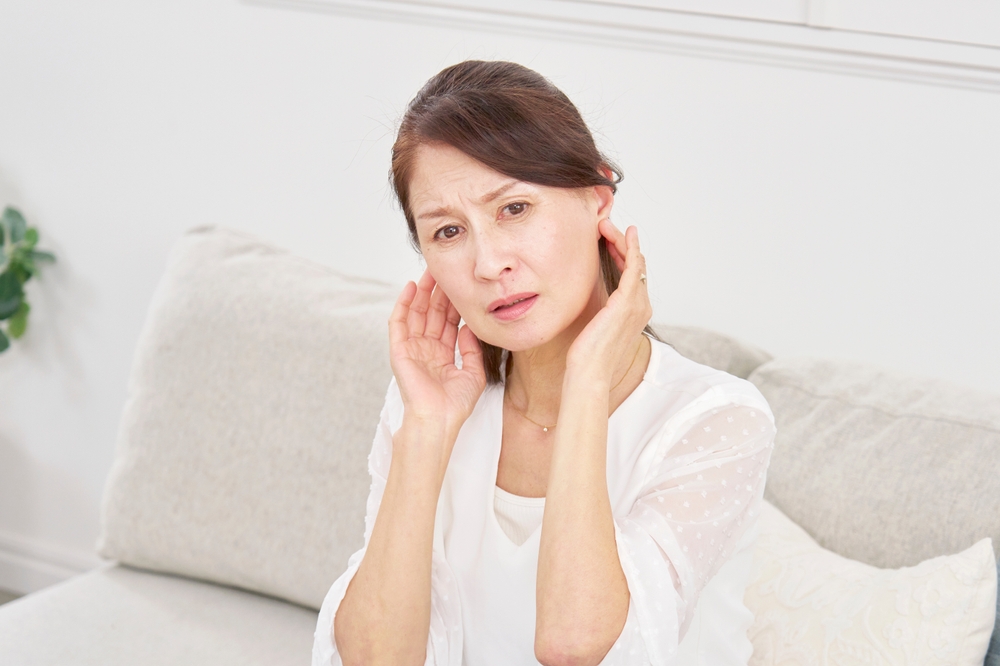
Discovering an unexpected inability to hear after sleep is a deeply alarming scenario. This specific hearing impairment is remarkably rapid, often manifesting without any physical discomfort or advanced signals. While simple blockages are common, more critical auditory conditions require a swift medical assessment.
Learning why hearing drops suddenly and seeking urgent help is imperative for future health. Throughout this guide, we analyze the nature of abrupt hearing loss, its potential origins, and the criteria for professional consultation.
Understanding Rapid Auditory Decline
Clinically, abrupt hearing loss is defined as an increased reduction in hearing function that generally manifests within a seventy-two-hour window. This loss is usually one-sided, although it can show up in both ears under specific circumstances. Some people notice muffled sound, while others experience a ringing sensation known as tinnitus, fullness in the ear, or difficulty understanding speech.
Identifying Sudden Sensorineural Hearing Loss
Among all triggers, SSHL requires the most immediate clinical assessment.
This specific impairment arises from irregularity within the inner ear, the auditory nerve, or the brain’s processing centers. While an exact etiology is often unknown, several factors are commonly identified as potential drivers:
- Decreased vascular supply to the fragile inner ear structures
- Internal inflammation and abnormal immune system activity
- Viral infections
- Central nervous system irregularities
Clinical professionals classify SSHL as an emergency because immediate therapy drastically enhances the chance of complete recovery.
Viral Infections
Various viruses have the potential to damage hearing permanently by causing inflammation in the hearing pathways.
Medical research connects the following viruses to rapid changes in hearing sensitivity:
- Normal upper-airway viral activity
- The seasonal flu virus
- Viral strains within the herpes group
- Secondary hearing effects after a COVID-19 infection
Hearing symptoms often appear during the peak of an illness or in the early recovery phase, sometimes alongside vertigo.
Head or Ear Trauma
Significant head trauma, abrupt pressure fluctuations, or acoustic shocks are proven to damage the sensitive components of the hearing system.
The following scenarios are typical causes of injury-based hearing impairment:
- Acute head strikes and concussive events
- Acoustic or atmospheric barotrauma
- Sudden blasts of intense noise
- Inner ear fluid disruption
Don’t dismiss minor trauma, as fast hearing changes post-injury often signal underlying damage.
Sudden Loss Due to Ear Canal Obstruction
Impacted earwax, while easily treated, can mimic the symptoms of more serious sudden hearing conditions.
Obstruction-based hearing impairment often:
- Occur nearly immediately
- Feel like fullness or pressure
- Be more pronounced on the left or right
- Subside once the canal is professionally cleared
Importantly, it’s not always easy to tell at home whether hearing loss is due to wax or something more serious. Therefore, seeking a professional clinical opinion is the best course of action.
Exploring Secondary Triggers for Hearing Changes
Alternative factors that might trigger an abrupt change in auditory function involve:
- Secondary reactions to ototoxic medications
- Blood flow conditions
- Systemic autoimmune attacks on the cochlea
- Rare growths on the hearing nerve
Undergoing a full hearing workup is the only way to accurately identify or dismiss these factors.
The Critical Importance of Immediate Intervention
The most vital takeaway regarding rapid hearing changes is to avoid a delay approach.
Prompt evaluation can:
- Pinpoint underlying issues that can be corrected
- Boost the effectiveness of treatment
- Stop further hearing damage
- Minimize the impact on your future ability to communicate
Professional audiological assessments are fundamental in identifying the specific nature of the loss and directing treatment.
Identifying Red Flags for Urgent Hearing Care
Do not delay seeking a specialist if you encounter any of these sudden changes:
- An abrupt inability to hear clearly in either ear
- Auditory shifts paired with a distinct sense of dizziness
- Buzzing or pressure that appears suddenly
- Diminished hearing immediately following an accident or sickness
Though your hearing may seem to recover partially, a professional check-up is still vital for a full diagnosis.
Hearing Testing for Quick Answers
Audiology diagnostics can quickly clarify whether hearing loss is:
- Conductive in nature, often caused by physical obstructions
- Nerve-based or related to inner ear damage
- Likely to be short-term or a chronic impairment
Early testing supports faster treatment decisions and better outcomes.
Take Sudden Hearing Changes Seriously
It is normal to feel panicked by sudden deafness, but immediate professional help offers the best chance for success.
If you notice an unexpected change in your hearing, getting a professional evaluation can protect your hearing health and your peace of mind. Our team is ready if you experience sudden hearing loss: Call our care team as soon as possible at our office for the help you need.