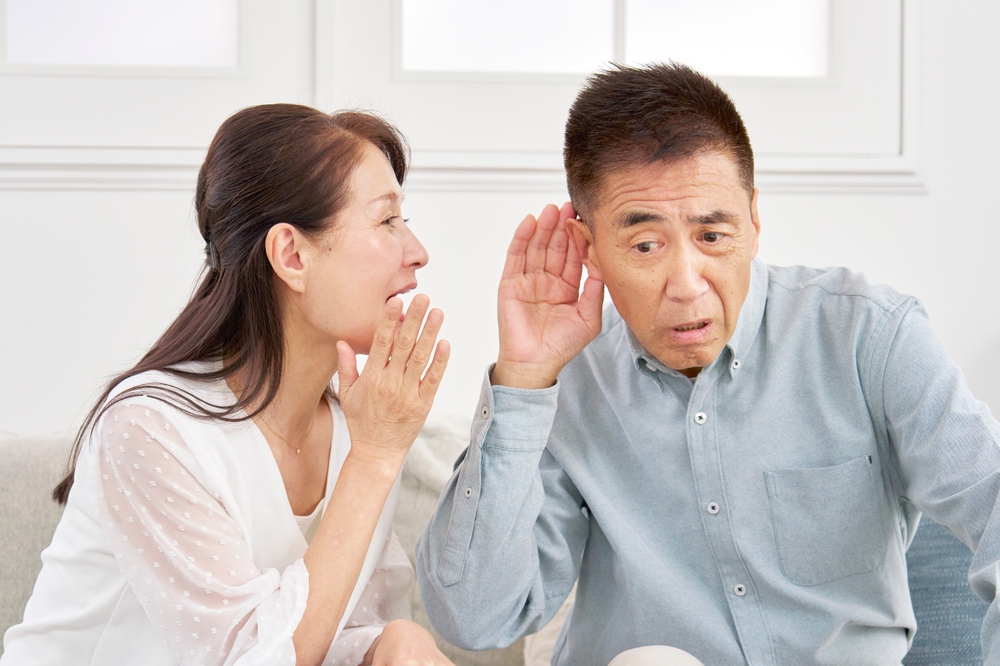
Hearing loss is more common than most of us might realize, but misinformation continues to prevent many people from seeking proper care. Early diagnostic accuracy is essential for anyone experiencing the onset of hearing loss. Accepting hearing myths as fact typically results in late-stage intervention and diminished communicative function.
If you have concerns about your hearing, knowing the truth (and the myths!) can help you make informed decisions about your health and proceed with greater confidence. The following analysis deconstructs seven common hearing fallacies using modern audiological data.
Myth One: Auditory Decline is Strictly Age-Related
Although aging affects the ears, hearing loss is not exclusive to the elderly population. Factors such as acoustic trauma, genetic markers, ototoxic drugs, and viral infections trigger hearing issues in youth.
Assuming hearing loss is only an “aging issue” can prevent people from recognizing early symptoms and seeking appropriate care.
2. Myth: If I Can Hear, I Don’t Have Hearing Loss
An individual can suffer from hearing loss without experiencing a complete loss of sound. Patients with mid-range impairment often perceive environmental noise while losing the ability to decode complex speech. Between perfect hearing and total hearing loss is a wide spectrum of hearing challenges.
Signs of decline often involve poor speech-in-noise recognition and significant mental strain after talking with others. These markers represent initial auditory shifts that warrant a professional evaluation.
Myth Three: The Misconception of Minor Impact
Ignoring hearing loss creates systemic health risks that impact the entire neurological system. Data shows that failing to treat hearing issues can lead to brain atrophy and emotional health challenges.
Proactive hearing care is a vital component of maintaining cognitive health and emotional stability.
Do Hearing Aids Damage Your Natural Hearing?
There is no clinical evidence to suggest that proper use of hearing aids speeds up auditory decline.
When fitted correctly, hearing aids are safe tools for auditory rehabilitation. Instead, they amplify sounds based on your hearing test results. In many cases, using hearing aids can help the brain stay engaged in processing sound, supporting long-term auditory health.
Modern Hearing Aids: Invisible and Powerful
Modern hearing technology has advanced significantly. Contemporary hearing aids deliver elite processing power within incredibly discreet housings. Patients can now choose custom-molded options that sit deep within the ear canal for total discretion.
Beyond their small profile, these devices feature AI-driven noise cancellation and seamless smartphone integration.
Why Even Mild Hearing Impairment Requires Attention
Even a subtle auditory deficit can significantly increase the cognitive load required for daily conversation. Prompt intervention mitigates listening fatigue by making sound processing effortless for the neurological system.
The earlier that hearing changes are addressed, the easier it is to adapt and maintain strong communication skills.
Myth Seven: The Generic vs. Personalized Care Fallacy
Store-bought devices provide “blanket” amplification rather than the targeted help your ears likely need. A clinical hearing test allows an expert to program a solution specific to your biological requirements.
Custom-fit solutions provide a level of acoustic fidelity that generic devices simply cannot match.
Moving Beyond the Myths to Auditory Health
Auditory shifts can be daunting, leading many to avoid the clinic through a “denial” response. Auditory fallacies act as roadblocks to the treatment that could change your life today. A professional assessment is an easy, stress-free way to gain total clarity on your ear health.
Taking the first step toward a hearing test is the best way to safeguard your long-term communication. Early intervention can improve not only communication, but also overall quality of life.
If you are ready for a professional assessment, our specialists are standing by to assist. Our team is available for appointments: Call us today to protect your hearing.