
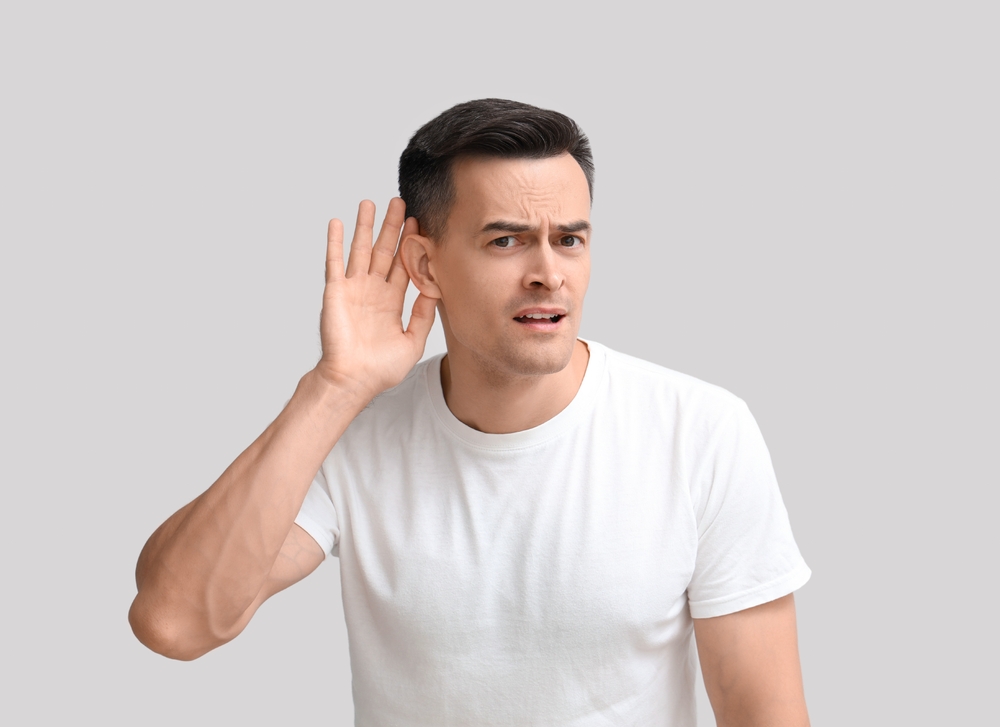
Is it common for you to feel physically and mentally spent after navigating a social environment?
You may assume you’re just tired, stressed, or overwhelmed. While social gatherings are inherently demanding for people with sensory sensitivities, there may be another factor at play. In many instances, this persistent drain is the result of a condition called auditory fatigue.
Essentially, auditory fatigue is the result of the brain over-functioning to compensate for poor sound quality. The brain’s attempt to reconstruct incomplete audio data requires an immense amount of “processing power” and neural energy. Over time, this constant strain can leave you feeling mentally exhausted.
It is common for patients to conflate auditory fatigue with general daily exhaustion. In many cases, persistent fatigue serves as a diagnostic “red flag” for early-onset hearing impairment. Undergoing a clinical screening can identify the extent to which hearing loss drives your daily fatigue. Persistent patterns of post-social exhaustion warrant a discussion regarding the impact of hearing loss.
Why Your Brain Suffers from Auditory Fatigue
Several factors can force the brain to work harder during listening, increasing the risk of auditory fatigue.
The Impact of Unmanaged Hearing Loss
Unmanaged hearing loss stands as a primary catalyst for chronic listening exhaustion.
When the ears cannot detect certain sounds clearly, the brain tries to compensate by filling in gaps. Relying on context rather than clarity places an unsustainable burden on the brain during everyday conversations.
How Background Noise Triggers Fatigue
Locations with poor acoustics often act as a tipping point for auditory fatigue. Settings like busy cafes or group discussions often present a low signal-to-noise ratio that obscures speech.
When multiple sounds occur at once, the brain must filter through them to identify the important information. This biological workload frequently triggers cognitive overload, particularly when any level of hearing loss is present.
Tinnitus and Sound Distortion
Chronic tinnitus compounds listening effort as the brain struggles to ignore internal noise while focusing on external speech.
When hearing loss causes sound to arrive garbled, the brain must work with higher intensity to extract meaning.
Clinical Red Flags for Auditory Fatigue
Symptoms of auditory fatigue typically bridge the gap between mental clarity and physical stamina. Frequently observed symptoms include:
- Profound mental burnout after speaking with others
- Difficulty concentrating during meetings or group discussions
- Headaches after long listening periods
- Increased emotional volatility in loud or busy environments
- Withdrawing from conversations or social events
- Compulsive need for rest after navigating a noisy environment
Frequent presentation of these symptoms is a clear sign of neurological auditory over-exertion.
How the Brain Compensates for Hearing Impairment
Clear auditory input allows the brain to interpret sound with virtually no conscious effort. When input is weak, the brain must “steal” processing power from other areas to manage auditory interpretation.
In clinical literature, this phenomenon is identified as a surge in cognitive load. This energy shift often leaves the patient struggling with recall and attention while they try to listen. The long-term effect of this cognitive shift is the profound “emptiness” felt after socializing. Under these conditions, even brief interactions demand an unnatural level of mental focus.
Diagnosing the Source of Your Fatigue
Should listening effort compromise your quality of life, a clinical hearing test is the essential diagnostic tool. During a comprehensive hearing test, an audiologist will measure how well you hear different tones and speech sounds. An audiologist may simulate real-world noise to see how your brain manages complex auditory environments.
A comprehensive hearing test can determine whether hearing loss is contributing to your fatigue and help guide the next steps for treatment. Identifying hearing changes early allows treatment to begin sooner, helping reduce listening strain before it begins affecting daily activities and social interactions.
How Hearing Treatment Reduces Listening Effort
Clinical intervention is proven to drastically reduce the mental burden of communication.
Modern hearing aids improve sound clarity by amplifying important speech frequencies and reducing background noise. The brain can finally rest, receiving data that is easy to interpret and understand.
Once auditory strain is reduced, the following areas often show significant improvement:
- General energy levels from morning to evening
- Ability to follow complex dialogue without drifting off
- A return to enjoying busy restaurants and gatherings
Lowering the cognitive cost of communication allows social life to feel effortless once more.
Is it Time for a Professional Hearing Check?
Consider booking a hearing test if any of the following rings true:
- Socializing feels like a high-intensity mental workout
- Loved ones notice that you frequently require clarification during talk
- Background noise makes speech recognition a major challenge
- You avoid social situations because listening feels difficult
Resolving these issues today ensures a higher standard of living and better cognitive health for the future.
What You Need to Know About Auditory Fatigue
Is auditory fatigue the same as hearing loss?
No. Auditory fatigue refers to the mental exhaustion caused by intense listening effort. That said, hearing loss remains the primary catalyst for chronic listening burnout.
Can hearing aids reduce listening fatigue?
By performing the filtering for you, hearing aids dramatically reduce daily mental exhaustion.
Can Auditory Fatigue Be Cured?
In many cases, auditory fatigue improves when the underlying cause (like untreated hearing loss) is addressed with proper evaluation and treatment.
Say Goodbye to Post-Conversation Burnout
Daily dialogue should not be a source of profound cognitive depletion. If listening leaves you mentally drained, your ears and brain may be working harder than they should.
Begin your journey back to energy by booking a comprehensive hearing test now. Reclaim your social life and your energy by getting the truth about your auditory health today.