
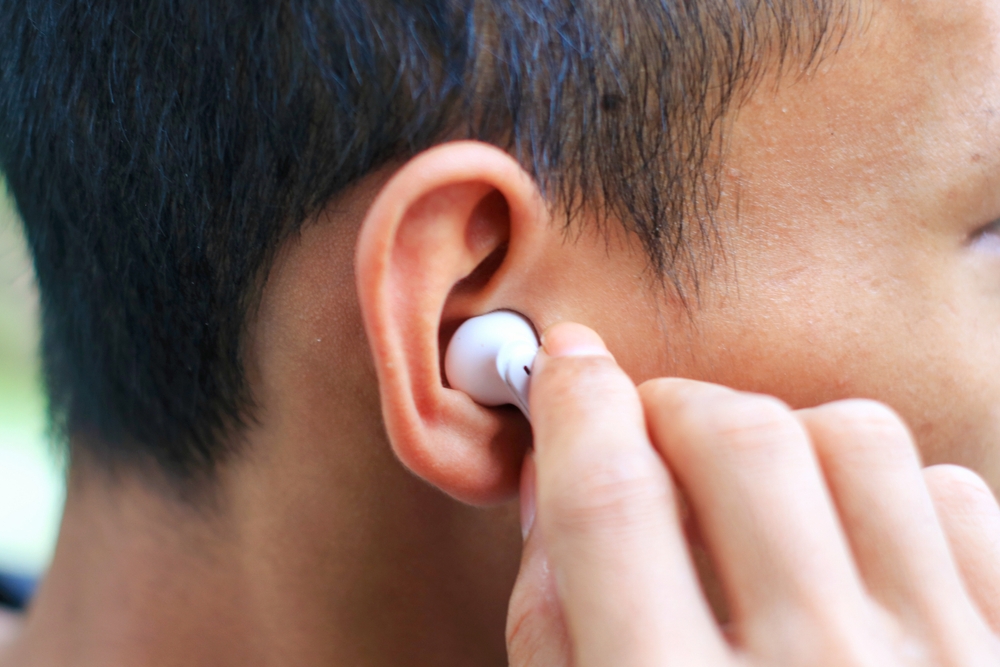
It is increasingly uncommon to observe a young adult in a public setting without an earbud in place. Though over-ear headphones are more bulky, the younger demographic still relies on them for environmental isolation. While acoustic enjoyment is universal across all ages, the youth population often utilizes music as a primary tool for time management. Given their intimate position near the eardrum, are these devices a legitimate threat to our hearing? Clinically speaking, the hardware is not the culprit; rather, the risk lies in human behavior and exposure levels.
Too Much of a Good Thing
The psychological impact of music varies, serving to calm the nerves, provide emotional solace, or increase physiological arousal. The outcome is entirely dependent on the genre and frequency of the audio. Employing in-ear monitors is an effective method for maintaining acoustic privacy in public environments. This behavior is socially beneficial, and commuters often report a preference for this shared auditory boundaries on public transit.
From an audiological perspective, we must define the specific thresholds for safe volume and exposure duration. The biological fact is that high-intensity sound waves are inherently damaging to the auditory system. When you listen for too long a time and at a very loud volume, you can irreparably damage your hearing. Because auditory decline is often a slow, cumulative process, the damage is frequently advanced before symptoms are noticed.
Identifying the Critical Risks of Personal Audio
High volume stands as the most significant threat to the preservation of hearing sensitivity. However, the duration of the exposure matters as much as the volume.
- Clinical guidelines from the NIH suggest that listening at or below 70 dB prevents damage regardless of the duration.
- Louder noises will cause hearing damage faster than quieter sounds.
- Implement the 60/60 safety protocol by capping volume at 60% and taking a break every 60 minutes.
- Ensuring long-term hearing health requires a proactive reduction in volume and strict limits on listening time.
Recognizing the Symptoms of Auditory Damage
If you notice muffled speech, struggle with background noise, experience **tinnitus**, or constantly require others to speak up, a professional evaluation is necessary.
Reach out to our care team immediately if you are concerned about your current hearing sensitivity.