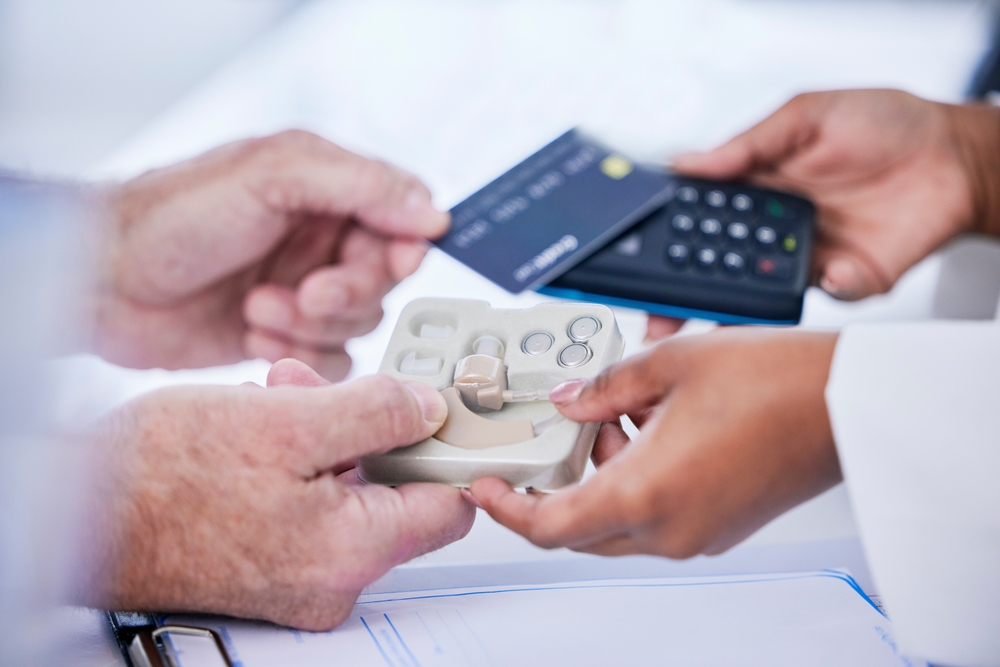
For individuals evaluating advanced auditory technology, the upfront capital required is frequently the first noticeable factor. Based on the sophistication of the digital signal processing and the required audiometric programming, these devices span a wide pricing spectrum. Such a capital requirement often surprises families, leading them to prematurely halt their pursuit of better auditory health.
While the financial baseline is significant, it does not represent the final out-of-pocket reality. It is a common misconception that the full list price must be borne entirely by the consumer. Through the strategic use of indemnity policies, dedicated health accounts, and flexible payment timelines, the acquisition process becomes highly manageable.
This guide walks you through the most common options so you can understand what’s available before you go into an appointment and, hopefully, feel more confident about the investment in your hearing health.
Navigating Insurance Policy Language for Hearing Aid Benefits
Prior to resigning yourself to full private payment, a rigorous audit of your healthcare policy is required.
For individuals holding commercial or corporate group health policies, benefit structures for otologic devices are highly inconsistent. Certain contracts provide percentage-based co-insurance, whereas alternative policies offer a rigid monetary stipend. Conversely, distinct health plans explicitly exclude hearing aids from their covered medical benefits. To clarify your position, review your summary of benefits or contact the carrier regarding otolaryngological provisions. Be sure to also ask about coverage limits, whether fittings are included, and which providers are in-network.
When navigating public health options, recognize that traditional federal Medicare components do not subsidize these devices. Nevertheless, a significant number of managed Medicare Advantage (Part C) options feature ancillary vision and hearing benefits.
For those on Medicaid, coverage depends on where you live. Some programs provide hearing aid benefits for qualifying adults, so it’s worth checking or asking your provider for guidance.
Maximizing Health Savings and Flexible Spending Accounts for Otologic Technology
Possessing an HSA or an FSA equips the patient with a highly efficient asset for absorbing device costs.
These clinical instruments meet the legal definitions for qualified medical expenses, authorizing the use of untaxed income. Utilizing this financial pathway yields substantial savings that alter the economic equation. By way of example, a 22% marginal tax rate converts a nominal $2,000 device cost into an effective $1,560 expense. Crucially, HSA balances carry over across fiscal periods, whereas FSA assets generally operate on a strict annual expiration schedule. This structural timeline makes it imperative to exhaust expiring corporate flex funds before the termination date! Both prescription and many over-the-counter hearing aids qualify, so it’s worth checking your balance before your appointment.
Utilizing Patient Financing Programs to Defer Auditory Technology Costs
Most established audiology centers provide entry points to dedicated consumer medical credit lines, eliminating the need for total upfront liquidation. Managed through medical financing leaders like CareCredit, these structures frequently supply zero-interest terms to qualified applicants. That means you don’t have to choose a lower-quality device just to keep costs down in the short term.
Financing is a normal part of the conversation. Patients experiencing financial hesitation should openly review these parameters during their diagnostic evaluation. Remember, there’s a reason all these options exist! Ultimately, accessing essential medical technology to preserve communication should remain accessible without risking economic duress.
Maximizing VA Healthcare Services for Service-Connected Hearing Deficits
Auditory trauma and tinnitus represent the most prevalent service-connected disabilities, prompting the Department of Veterans Affairs (VA) to maintain robust rehabilitation programs.
Those with verified eligibility can obtain top-tier otologic hardware with no out-of-pocket exposure via the VA health network. Even in the absence of an official service-connected disability rating for hearing, overall VA priority grouping may grant access. If you have not yet audited your federal benefits, contacting a regional VA officer or requesting help from your clinic is a valuable next step.
Charitable and Community Programs May Cut Hearing Aid Costs
A variety of secular charities and regional foundations are dedicated to subsidizing the cost of necessary amplification. Distinguished institutions, including the Starkey Hearing Foundation alongside local Lions Clubs, manage device donation programs. Additionally, select state health departments manage specialized equipment distribution programs for qualifying low-income residents.
Though administrative processing times and qualification reviews apply, these non-profit options provide crucial lifelines for the under-insured. Most of these foundations provide digital portals to screen your eligibility or initiate the formal intake procedure.
Analyzing Over-the-Counter (OTC) Hearing Options Versus Prescription Systems
The OTC retail segment offers a highly economical alternative, with average pair pricing falling between several hundred and one thousand dollars. Such devices are clinically appropriate for mild or early-stage moderate presbycusis in self-directed adult users.
However, without a professional fitting, many people don’t get the results they’re hoping for. For individuals demonstrating pronounced or complex sensory deficits, physician-fitted clinical devices consistently yield superior acoustic gain stability.
Before selecting an unprescribed consumer device to save capital, obtaining a clinical hearing assessment ensures diagnostic accuracy. OTC hearing aids are usually a good option for someone waiting for their fitted hearing aid or for a response on whether they qualify for certain programs or benefits. While superior to untreated deficits, these entry-level systems are rarely sustainable long-term answers for progressive presbycusis.
A Collaborative Approach to Affordable Hearing Care and Device Selection
We routinely guide individuals through the complexities of healthcare insurance and medical credit systems. There are often more options than people expect.
Bring your insurance information to your appointment, and we’ll walk you through what’s available, what’s covered, and how to make it work for your budget. Reach out to our administrative staff now to reserve your diagnostic evaluation and begin your hearing assessment. We are fully prepared to assist you in designing a financial strategy for your treatment that remains sustainable.